



Recent News
The Benefits of a Multi-Sensory Environment
Many people diagnosed with Autism Spectrum Disorder (ASD), Asperger syndrome, or a Pervasive Developmental Disorder not otherwise specified have difficulty managing their sensory input. They may overreact, or under react, to optical (sight), tactile (touch), olfactory (smell), and auditory (sound) input - often times to the point where they are unable to participate in typical life activities!
Sensory processing refers to our ability to gather information through the five senses, organize and interpret that information, and produce a meaningful response. For most people, this process is automatic. Individuals on the spectrum often have difficulty effectively processing information that enters the brain through the senses; this can impact their ability to understand, interpret, and provide appropriate responses to environmental stimuli. Sensory processing is also difficult for individuals with dementia, brain injury, and other developmental disabilities.
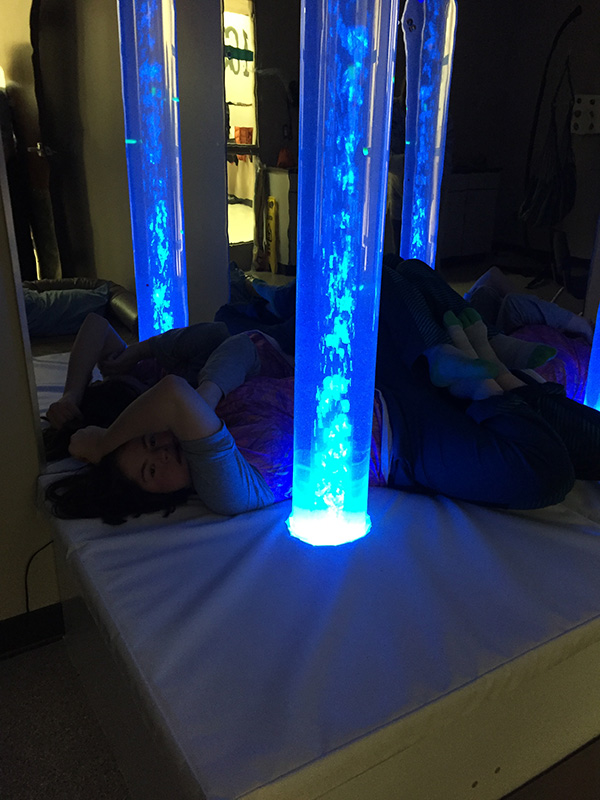
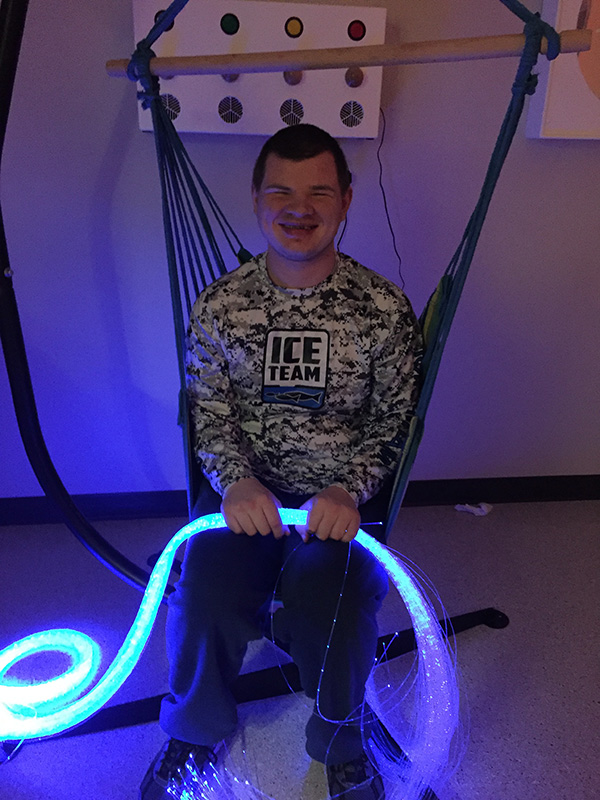
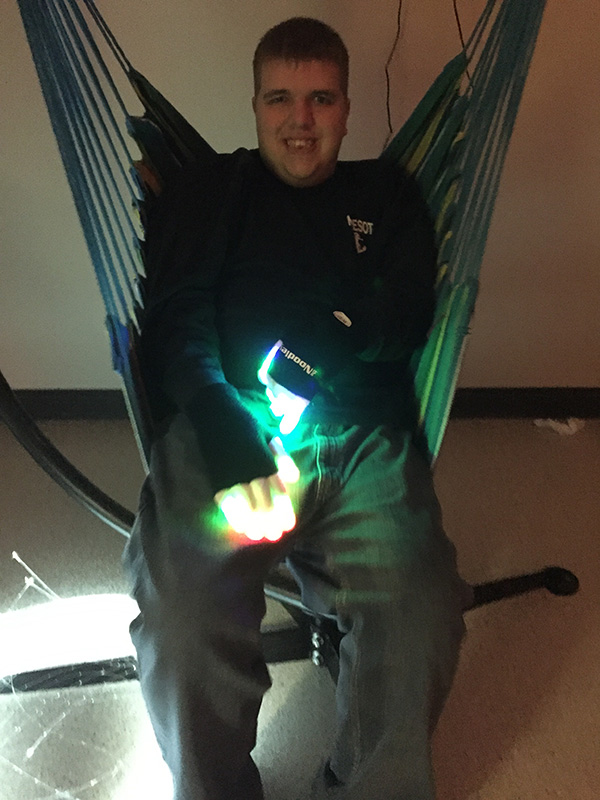
Sensory issues can affect an individual's disposition, behavior, social skills, and ability to learn; they can also be an antecedent to anxiety, agitation, and behavioral outbursts (potentially resulting in verbal and/or physical aggression). FII's Day Training & Habilitation (DT&H) Programs (Wright Connection I, Wright Connection II, Wright Connection III, and Wright Alternatives) serve some of the most sensory and behaviorally challenged individuals in Wright County.
Multi-sensory therapy is used to improve sensory processing. The Multi-Sensory Center will provide an innovative, state-of-the-art sensory experience for individuals we serve and enable FII to expand current programs to provide this much needed service! This multi-sensory environment has been designed to provide calming or stimulating surroundings for persons served, depending on their individualized and unique sensory needs. Specialized programming will be tailored to each individual served and will utilize multiple stimuli (i.e. light, color, sound, air flow, music, and scent) to stimulate the various senses and can also provide a serene atmosphere for relaxation and tranquility.
With the renovations completed in 2014, a Multi-Sensory Center was added to Functional Industries' 1803 Building on the Buffalo Campus. Since its inception the Multi-Sensory Center has been well used and has had positive results for individuals we serve. In 2017, the Delano Loretto United Way funded additional equipment to be added to the Multi-Sensory Center so that more individuals can benefit from its use.
Functional Industries recognizes challenges with sensory input management and processing shared by individuals diagnosed with autism and other disabilities; however, it does not subscribe to the notion that these sensory issues preclude meaningful social interactions & community integration. To the contrary…it is the belief that people with sensory and behavioral challenges can be active community members with appropriate social interactions once the right "sensory diet" and individualized supports have been built in.
Motivation to be involved in one's daily activities depends largely on the senses. Cognitive psychologists suggest that the main ingredient of the intellectual phenomenon is sensory stimulation and processing that allows human beings to comprehend the environment through their senses and respond to it. Individuals diagnosed with ASD rarely, if ever, experience the world as the majority of us do. Limitations of movement, vision, hearing, cognitive ability, constrained space, behavioral difficulties, perception issues, pain, and other problems create obstacles to their enjoyment of life. The Multi-Sensory Center provides opportunities for bridging these barriers by providing sensory stimulation and therapy.
Sensory stimulation is a technique that provides meaningful and common smells, feels, sights, sounds, tastes, and movements through the stimulation of all five senses. There are many benefits to providing sensory stimulation such as increased communication, environmental awareness, relaxation, cognitive stimulation, opportunity to build rapport, enjoyment of a leisure experience, increased quality of life, and much more. Multi-sensory environments generate a relaxing and calming effect to decrease agitation, aggression (verbal & physical) and anxiety, and are also able to activate different perception areas aimed at basal stimulation for those who are neurologically impaired, therefore improving the development of thought, intelligence, and social skills.
Time spent in a multi-sensory environment has been shown to increase concentration, focus attention, improve alertness, awaken memories, and to improve mobilization, creativity, social relations and communication, and general awareness of the surrounding world. The varied optical (sight), auditory (sound), olfactory (smell) and tactile (touch) stimuli help hyperactive individuals concentrate and focus. Functional Industries' Multi-Sensory Center offers people with cognitive impairments and other challenging conditions the opportunity to enjoy and control a variety of sensory experiences in a safe environment.
Multi-sensory environments have not only provided alternative and powerful forms of sensory stimulation for individuals previously isolated in their perceptual disabilities; they have also managed to break into cultures within health and education, providing new techniques to encourage learning, motor development, cognitive development, language, and social interaction skills.